New Energy Lithium‑Battery Thermal Management
Create a customized solution that integrates "high performance, long lifespan, high cost-effectiveness, and safety protection" into one
Industry Background
the global new‑energy industry is entering a phase of large‑scale explosive growth. for core tracks including power batteries, energy‑storage batteries, new‑energy equipment, and charging‑swapping facilities, thermal‑management systems have evolved from auxiliary accessories into key components that determine core product competitiveness.
Industry Pain Points
Insufficient Thermal‑Safety Protection
thermal runaway propagates rapidly in power‑battery or energy‑storage cells. conventional thermal‑insulation materials deliver low‑efficiency heat resistance; they tend to powderize or emit toxic fumes under high temperature. they fail to meet national‑standard thermal‑barrier requirements under ultra‑thin thickness, resulting in severely inadequate safety margins.
Conflict Between Lightweight Design And Energy Efficiency
driven by higher energy density for new‑energy equipment, installation space for thermal management is extremely compressed. high thermal‑conductivity of traditional materials occupies valuable space within battery compartments and keeps thermal‑control energy consumption high, which directly impairs ev driving range and cycle life of energy‑storage systems.
Poor Adaptability To Complex Operating Conditions
new‑energy scenarios cover wide‑temperature‑range working conditions and harsh outdoor environments including temperature cycling, vibration and condensation. conventional materials suffer from easy aging, poor hydrophobicity and short service life. they cannot match the designed service life of new‑energy systems and lead to high later‑stage maintenance and replacement costs.
Tightening Environmental‑Protection Regulations
many conventional thermal‑insulation materials contain hazardous substances such as halogen and formaldehyde and release toxic smoke at high temperatures. they cannot satisfy increasingly strict domestic and overseas environmental‑protection rules and fail to support customers’ ESG goals and global market‑access standards.

Insufficient Thermal‑Safety Protection
thermal runaway propagates rapidly in power‑battery or energy‑storage cells. conventional thermal‑insulation materials deliver low‑efficiency heat resistance; they tend to powderize or emit toxic fumes under high temperature. they fail to meet national‑standard thermal‑barrier requirements under ultra‑thin thickness, resulting in severely inadequate safety margins.

Conflict Between Lightweight Design And Energy Efficiency
driven by higher energy density for new‑energy equipment, installation space for thermal management is extremely compressed. high thermal‑conductivity of traditional materials occupies valuable space within battery compartments and keeps thermal‑control energy consumption high, which directly impairs ev driving range and cycle life of energy‑storage systems.

Poor Adaptability To Complex Operating Conditions
new‑energy scenarios cover wide‑temperature‑range working conditions and harsh outdoor environments including temperature cycling, vibration and condensation. conventional materials suffer from easy aging, poor hydrophobicity and short service life. they cannot match the designed service life of new‑energy systems and lead to high later‑stage maintenance and replacement costs.

Tightening Environmental‑Protection Regulations
many conventional thermal‑insulation materials contain hazardous substances such as halogen and formaldehyde and release toxic smoke at high temperatures. they cannot satisfy increasingly strict domestic and overseas environmental‑protection rules and fail to support customers’ ESG goals and global market‑access standards.
New‑Energy Thermal‑Management Solution
based on self‑developed nano‑aerogel insulation materials, Jiayun New Materials provides customized four‑in‑one solutions of "high performance, long service life, cost efficiency and enhanced safety" to satisfy full‑scene new‑energy thermal‑management requirements. we break industry bottlenecks where conventional materials struggle to balance fire resistance, thermal insulation, lightweight properties and durability. we deliver end‑to‑end one‑stop services for new‑energy clients, including requirement research, thermal‑simulation verification, material selection, structural design, production delivery and on‑site technical support.
Build High‑efficiency Energy‑saving Performance And Maximize Product Value
two decades of industry‑university‑research accumulation delivers solid material support for new‑energy thermal management
Superior Thermal‑safety Protection To Meet Compliance Requirements
The aerogel material has a maximum temperature resistance of up to 1300℃. At high temperatures, it does not melt or drip. With an ultra-thin thickness, it can achieve efficient heat runaway prevention, far exceeding the national standards. It effectively inhibits the heat spread of the battery cell and provides a higher level of safety redundancy for the new energy system.
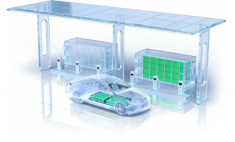
Ultra‑thin Lightweight Design To Boost Energy Density
to achieve equal insulation performance, aerogel material only requires 1/4‑1/2 thickness of traditional counterparts. it improves space utilization and energy density of power‑battery / energy‑storage systems. its ultra‑low thermal conductivity reduces system thermal‑control power consumption and helps extend driving mileage of new‑energy vehicles.

Stable Performance Over Wide Temperature Range To Lower Overall Costs
porous nano‑structure maintains stable thermal‑insulation performance across ‑40℃~1200℃. with ≥98% hydrophobic rate, excellent vibration resistance, anti‑aging and salt‑fog resistance, the material perfectly aligns with design life cycles of new‑energy systems and greatly cuts maintenance and replacement expenses.

Eco‑friendly Compliance For Global Market Access
aerogel materials are halogen‑free and free of toxic hazardous substances with high recyclability. carbon emissions during production are far lower than conventional thermal‑insulation materials. environmentally safe throughout service life and compliant with domestic and international regulations.

Redefine Industry Experience For Advanced‑material Sector
custom‑designed solutions and aerogel‑based products

Power‑Battery Thermal Management
custom high‑performance aerogel insulation sheets address diverse thermal‑runaway‑protection demands for power batteries and related components, realizing cell‑to‑cell heat‑propagation suppression, vibration buffering and high‑low‑temperature regulation.

Energy‑storage System Thermal Management
for constant‑temperature control and thermal‑safety protection of battery PACKs and energy‑storage containers, aerogel inter‑cell insulation sheets and cabin‑insulation panels are deployed to block heat spread and reduce thermal‑control energy consumption.

New‑energy Facilities And Equipment
custom aerogel special‑shaped parts and thermal‑insulation jackets deliver wide‑range thermal insulation, water‑proofing and dust‑proofing under harsh outdoor conditions for pv inverters, wind‑power converters, generators and electronic‑control systems.
| Product Model | Illustration | Thickness | Size | Temperature | Color | Density | TC | Download |
|---|---|---|---|---|---|---|---|---|
| AJ1200 |  |
1.0‑5.0mm | custom roll (≤2mm), custom sheet | 800 ~ 1300℃ | CMYK 0‑10 | 280kg/m³±30 | ≤0.025W/(m·K) |
|
| AJ102501 | |
1.0‑5.0mm | custom sheet | 800 ~ 1300℃ | CMYK 0‑10 | 330kg/m³±30 | ≤0.025W/(m·K) |
|
| AJ102502 | |
1.0‑5.0mm | custom sheet | 800 ~ 1300℃ | CMYK 0‑10 | 380kg/m³±30 | ≤0.025W/(m·K) |
|
| AJ‑SSD‑T01 |  |
0.5‑6.0mm | custom roll (≤2mm), custom sheet | 600~700℃ | CMYK 0‑10 | 220kg/m³±30 | ≤0.020W/(m·K) |
|
| AJ‑SSD‑T02 | |
0.5‑6.0mm | custom roll (≤2mm), custom sheet | 600~700℃ | CMYK 0‑10 | 250kg/m³±30 | ≤0.020W/(m·K) |
|
| AJ‑SSD‑T03 | |
0.5‑6.0mm | custom sheet | 600~700℃ | CMYK 0‑10 | 300kg/m³±30 | ≤0.020W/(m·K) |
|
| AJ‑SSD‑T04 | |
0.5‑6.0mm | custom sheet | 600~700℃ | CMYK 0‑10 | 330kg/m³±30 | ≤0.020W/(m·K) |
|
| AJ0350 |  |
1.0‑5.0mm | 1500mm±20 | 300 ~ 400℃ | CMYK ≥40 | 200kg/m³±30 | ≤0.025W/(m·K) |
|